
Every few years, someone proposes the same change to SNAP: replacing benefits with pre-packed government food boxes.
If you’ve heard about this idea and worried your benefits could turn into a mystery box of canned food, take a breath. SNAP is still delivered through EBT cards, and past “food box” proposals never became law.
But this idea keeps coming back — and it’s worth understanding why.
Because no matter what it’s called, replacing SNAP with food boxes is a terrible idea. It ignores how real families actually live and tries to solve a complicated problem with a one-size-fits-all plan that fits nobody at all.
Why It Keeps Coming Up
The basic concept is always the same:
- If you receive SNAP, you would get a box of pre-selected foods each month.
- The government would subtract the value of that box from your SNAP benefits.
- Whatever is left would go onto your EBT card (or it wouldn’t, depending on the specific proposal).
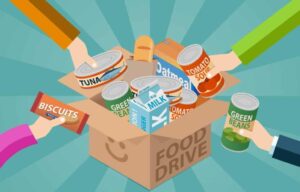
The food would typically be shelf-stable, prepackaged items like:
- peanut butter
- pasta
- canned meats
- boxed cereal
- shelf-stable milk
- canned vegetables
Basically, the kind of food you might get at a food pantry.
And while some versions claim states could “customize” the boxes or handle delivery differently, that’s where the entire thing starts to fall apart.
Because the details are not small.
The details are the whole point.
Why This Doesn’t Work
There are so many reasons why this doesn’t work. Let’s break down the five biggest ones.
Problem #1: A standard food box can’t handle allergies, medical restrictions or cultural foods.
This is the biggest issue right out of the gate. You cannot send the same foods to every SNAP household in America and pretend it will work.
Some households have serious food allergies — especially to common shelf-stable foods like peanuts, wheat, or dairy. Others have medical dietary restrictions due to conditions like diabetes, celiac disease, kidney disease,food intolerances or other requirements. Others may have religious restrictions. Still others may simply eat different foods because that’s their culture.
The proposed boxes provide goods that are readily available at most food banks… but even the people in charge of the food banks think this is a bad idea. Back in 2018, Matt Knott, president of the nationwide food bank network Feeding America, said, “We view this as an unworkable solution in search of a problem.”
Trying to customize boxes for each household’s specific needs would become a logistical nightmare. That’s one area where SNAP benefits really shine, because they allow each family to shop for the food that works best for them.
Problem #2: What about fresh fruits and vegetables?
Most food box proposals focus on shelf-stable foods.
Because fresh food is expensive to store, expensive to ship, and difficult to deliver without spoilage.
So what does that mean for families?
It means low-income households would be pushed toward canned, boxed, processed food that tends to be high in sodium and sugar.
This is a problem. As this study in the Diabetes Journal concludes, “people in America who live in the most poverty-dense counties are those most prone to obesity… It has been suggested that individuals who live in impoverished regions have poor access to fresh food… In many poverty-dense regions, people are in hunger and unable to access affordable healthy food.”
Low income families in America need more options for healthy food choices. They need more options for fresh fruit and vegetables. Not less.
Under the current system, food stamps recipients can use their EBT cards at farmer’s markets around the US. Many markets even offer a Double Up Food Bucks program that literally doubles the amount of produce you receive for your money. This is a much more efficient way to help low income families eat better.
Problem #3: The ‘cost savings’ estimates don’t really add up.
Whenever food boxes get proposed, supporters always claim it will save the government money.
The number is usually massive. Billions. Sometimes over $100 billion over a decade.
And every time, the same thing happens: those savings estimates are broken. They usually only account for the cost of food, and conveniently ignore the real, logistical expenses associated with storing, assembling, transporting and delivering the food boxes. They usually don’t account for things like staffing, or quality control, or customer service or fraud prevention.
If you think the government is capable of shipping millions of boxes every month without waste, delays, or other problems… I would encourage you to go read about the Farmers to Families Food Box Program that was attempted during the pandemic. It didn’t go well.
Besides, SNAP already works through existing systems.
Grocery stores already have warehouses.
Trucks already deliver food.
Employees already stock shelves.
The supply chain already exists.
A food box program would require building a second supply chain on top of it.
That isn’t cheaper.
It’s more expensive.
Problem #4: It would take a whole new bureaucracy.
SNAP is not perfect, but it’s fairly straightforward:
- The government determines eligibility
- Benefits are loaded onto an EBT card
- People shop at approved retailers
That’s it.
A food box system would require:
- federal oversight
- state oversight
- warehouses
- contracts
- vendors
- packaging
- shipping logistics
- distribution hubs
- compliance monitoring
- inspections
- and a process for resolving delivery issues
And let’s be honest:
Any program that involves shipping food to millions of households will have errors.
Boxes will go to the wrong address.
Boxes will arrive damaged.
Boxes will be stolen.
Boxes will arrive late.
Boxes will include foods people can’t eat.
And families who are already struggling will be told to “call this number” and “file this form” and “wait 30 days.”
That’s not help.
That’s chaos.
Problem #5: Food boxes would destroy the economy of small towns and businesses that rely on EBT funds.
This part matters more than most people realize.
SNAP doesn’t just help families. It also supports local economies.
When SNAP benefits are spent at grocery stores and small markets, that money helps keep stores open, keeps employees working, and keeps food access available in areas that are already struggling.
In many small towns and low-income neighborhoods, SNAP dollars are a huge part of what keeps grocery stores alive.
If you take that spending away and replace it with government boxes, you don’t just change how families get food.
You risk creating food deserts.
You risk closing stores.
You risk cutting jobs.
Don’t believe me? The small businesses that power the economy in severely low income areas could be utterly destroyed without the influx of food stamps funds each month. This article in the Washington Post explains the boom-and-bust economy cycle in the small town of Woonsocket, Rhode Island, where businesses and residents rely on the precious food stamps dollars that keep food on the table and money in the paychecks of the town’s employees.
For towns like Woonsocket, a food box program could destroy the businesses that provide the jobs that support the families… sending the town spiraling into even more desperate circumstances.
What You Can Do
If you’re on SNAP—or someone you love is—here are a few practical steps you can take:
1) Stay informed about changes in your state
SNAP is federal, but states have a lot of control over how it’s administered. We report frequently on SNAP program changes on our YouTube channel and with our email list.
2) Use every program available to stretch your benefits
If your area has farmers markets that accept EBT, use them. If your state has produce-matching programs like Double Up, take advantage of them. You can even get EBT discounts in most states!
3) Speak up when harmful proposals appear
This is one of the few things that actually works. Food box proposals have been stopped before because people pushed back. And lawmakers do listen when enough constituents speak up. If you are concerned about a proposal, reach out to your elected lawmakers in Congress. It really helps!
Relief Recap
The good news is that SNAP is still SNAP. Despite all the past talk about replacing benefits with government food boxes, that idea has not yet became reality — and it’s largely because so many people spoke up about how unworkable and harmful it would be. Families still have the ability to shop for the foods that fit their needs, their health, and their kids, instead of being stuck with a one-size-fits-all box of random pantry items.
And if proposals like this ever pop up again, you don’t have to panic or feel powerless. You can stay informed, keep using the programs that stretch your benefits (like EBT at farmers markets and produce match programs), and speak up when it matters. SNAP has been protected before — and it can be protected again.
